
The living room is one of the most frequently used areas of a home. It is where people relax after busy days, spend time with family, entertain guests, and enjoy quiet moments. Because it serves so many purposes, creating a comfortable and attractive living room requires more than simply choosing furniture that looks good.
Many homeowners and renters struggle to find the right balance between appearance and practicality. A room may look beautiful but feel uncomfortable, or it may have plenty of seating without a cohesive design. Finding furniture and decorative accessories that work together can make the decorating process much easier.
A well-designed living room should reflect your personality while supporting your everyday routine. With thoughtful furniture placement, coordinated colors, and carefully selected accents, you can create a space that feels natural and welcoming. Melissa Bliss offers inspiration for discovering home furnishings and everyday finds that complement different lifestyles.
Choose Furniture That Supports Your Lifestyle
Furniture should be selected according to how you actually use your living room. Before purchasing anything, consider the activities that take place in the space and the number of people who regularly use it.
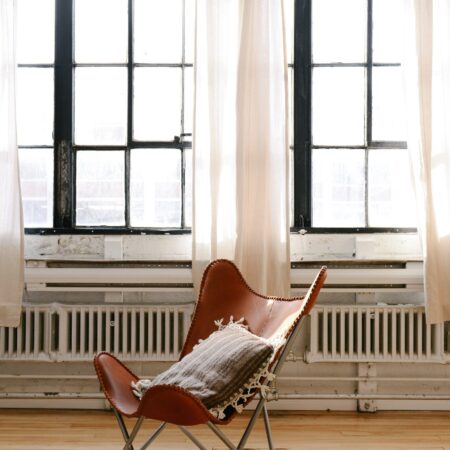
A comfortable sofa may be the main feature of a family living room, while an accent chair can provide additional seating or create a quiet reading area. Coffee tables and side tables also contribute to convenience by providing surfaces for drinks, books, and everyday belongings.
Consider Size and Proportion
The size of your furniture should match the available floor space. Oversized pieces can make a small living room feel crowded, while furniture that is too small may leave a larger room looking unfinished.
Measure your available space before making significant purchases. Leave enough room between furniture pieces so people can move around comfortably.
Build a Coordinated Color Scheme
Color has a major influence on the overall appearance of a living room. A coordinated palette can make different furniture pieces and accessories feel connected, even when they come from different collections.
Neutral colors such as beige, cream, gray, and soft brown create a flexible foundation. You can introduce personality through accent cushions, artwork, decorative objects, and occasional furniture pieces in richer shades.
Balance Light and Dark Tones
Using a combination of lighter and darker colors helps create visual depth. For example, a light-colored sofa can be complemented by darker wooden furniture or decorative accessories.
The goal is not to match everything perfectly. Instead, choose colors that complement one another and create a comfortable atmosphere.
Arrange Furniture for Better Flow
Furniture arrangement affects how easily people can move through a room. Even attractive pieces can make a living room feel uncomfortable when they block walkways or create awkward seating arrangements.
Start by identifying the main purpose of the room. If conversation is important, position seating so people can comfortably face one another. If the room is mainly used for watching television, arrange the furniture around a suitable viewing area.
Avoid pushing every piece of furniture against the walls simply because it seems like the easiest arrangement. Depending on the room’s dimensions, bringing some pieces closer together can create a more connected and inviting seating area.
Add Accessories That Complete the Room
Decorative accessories help give a living room its personality. Rugs, cushions, lamps, curtains, and artwork can make a simple arrangement feel more finished.
Choose accessories according to the colors and materials already present in the room. A patterned rug can introduce visual interest, while a decorative lamp can provide both practical lighting and an attractive accent.
Be selective when adding decorations. Too many accessories can make the space feel busy, so give each item enough room to contribute to the overall design.
Make Comfort the Center of Your Design
A beautiful living room should also be a place where you can relax and feel at ease. Choosing suitable furniture, coordinating colors, maintaining good movement between areas, and adding meaningful accessories can help create a space that feels like your own.
Take time to understand what your household needs before making decorating decisions. When comfort and personal style work together, your living room becomes more than just another room in the house.
Discover home styling inspiration and everyday furnishings at Unique Home Styles to help create a living room you’ll love spending time in.




0 Comments